
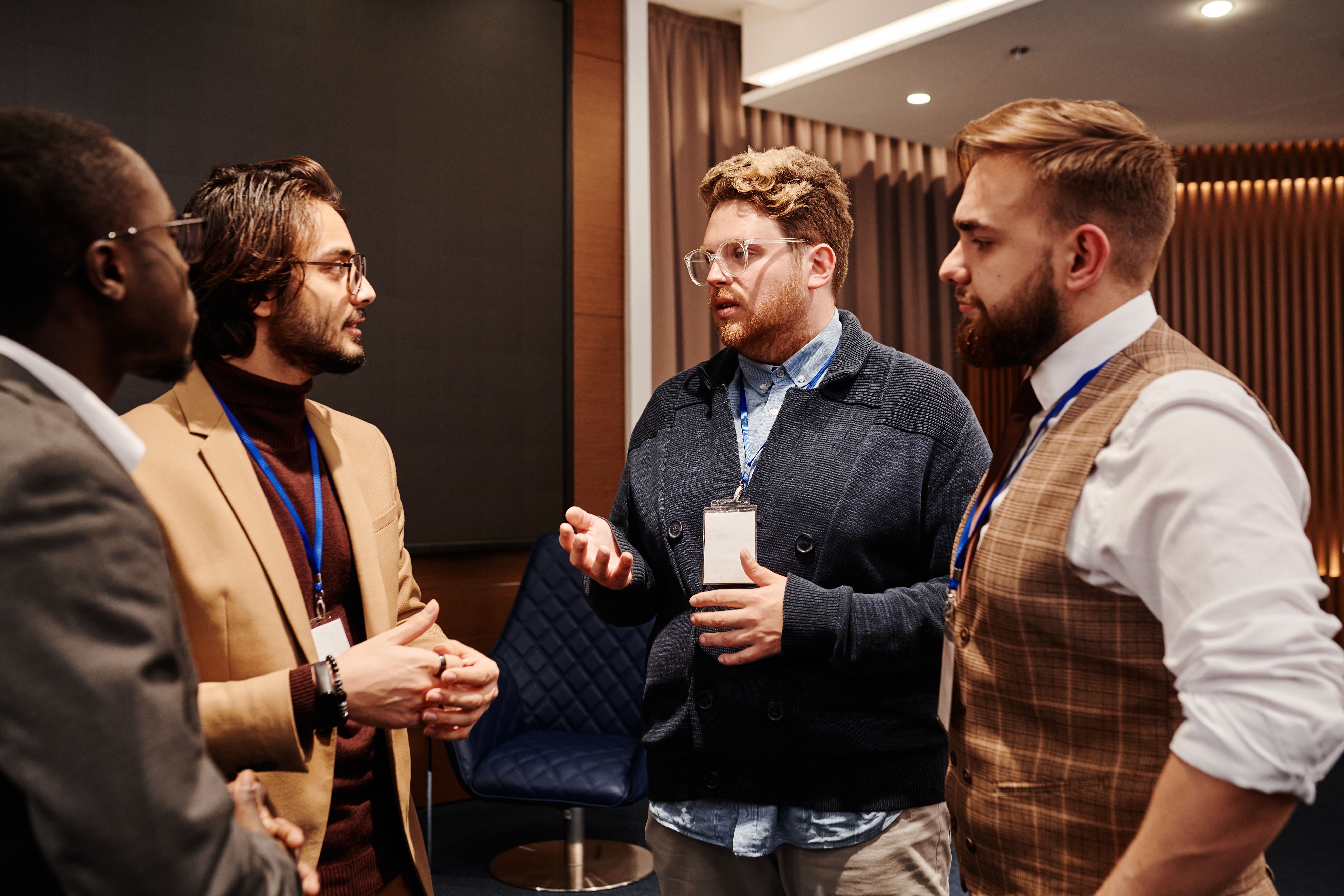
This post is for the men. Of course, the same principles apply to women wanting to do the work but the here is that women are already doing the vast majority of this work.
Whenever high-profile cases of sexual misconduct hit the headlines, it stirs up a lot of past and present trauma. Social media feeds flood with personal stories, mostly from women, sharing their experiences with sexual violence and harassment. These experiences are not rare, not even close. The CDC says over 80% of women have dealt with some form of sexual harassment or assault in their lives, and more than 1 in 5 have survived a completed or attempted rape.
When these stories break, I know a lot of you are horrified. Some of you genuinely want to step up, support the women you love, and help break this cycle of violence. So this guide is for all the allies out there who want to lead with care and empathy.
Sexual violence carries so much stigma, it's heavily underreported. Chances are, you don't know the full extent of what your loved one has gone through, how hard she fought to heal, or what barriers she faced trying to get justice, if she even tried to pursue justice (because let's be real, justice is exceedingly rare).
Believe women: Resist the urge to question, pick apart her story, or put a timeline on her healing. This is invalidating and signals to her you're not a safe person.
Listen without judgment: Just sitting with her pain and validating her experience is so much more powerful than trying to have all the answers.
Real allyship is also about the environment we create around ourselves and our loved ones.
Sometimes, without even realizing it, the podcasts, content creators, or jokes we consume can send subtle messages to the women in our lives. If a podcast or influencer routinely treats women as objects, talks about relationships like they're "conquests," or dismisses women's rights, the women around you notice. Even if you personally treat them with nothing but love and respect, taking in that content tells them your home or your presence is not a safe place to open up.
Supporting survivors often starts with an inventory: Are the voices you're listening to honoring the same values you hold for the people you love? Why would you listen to and support others who say things you wouldn't want said to you or the women you love? Really sit with this and evaluate your choices.
It's natural to want to protect someone you love, but trauma can't be "fixed" with advice, and it's not your job to evaluate what happened.
Offer meaningful, survivor-led support: Ask "How can I best be there for you right now?" instead of making assumptions.
Support in the moment—and over time:
Supporting survivors also means actively working to prevent future harm. Men play a huge role in shifting culture in their families, friend groups, and workplaces. If you see coercive behavior, inappropriate jokes, or boundary crossing, you can step in using the 4 D's of Bystander Intervention:
To prevent harm, we've got to move beyond seeing consent as just a passive "yes." Real-life consent is active, ongoing, enthusiastic and clear:
Witnessing a loved one's pain often brings up deep grief, anger, and helplessness. To show up consistently for others, you've got to process your own emotional response responsibly.
Process your grief separately: Seek support through therapy, support groups, or trusted male friends rather than relying on the survivor to hold space for your emotional distress.
Supporting Loved Ones & Survivors
Consent Education & Prevention

In the era of Google, there is a massive amount of information available about antidepressants. Even for a medical professional, it can be daunting to know what’s real and what’s not. Considering this decision can impact the lifelong health of a baby though, it’s important to be informed.
Read Blog Post
Learn about our current understanding of gut bacteria and their role in mental health,
Read Blog Post